
Winter Power Safety Tips for New Jersey Homes During Storms
TL;DR: Winter Storm Electrical Safety (NJ)
If you notice heat, humming, burning smells, sparks, frequent breaker trips, or water near electrical parts after a storm—step back and call a licensed electrician.
Late December storms in New Jersey can sneak up on us. The wind picks up, the temperature drops fast, and snow or ice sticks to steps, cars, and tree branches. That kind of weather can put extra stress on a home’s electrical system, right when we depend on it most.
We tell homeowners to plan ahead, not panic later.
Licensed electricians in New Jersey can help get a home ready before the next storm hits by spotting weak points that are easy to miss on a normal week. For quick context, we are based in Garwood, New Jersey. Our NJ License number is
34EB01794400. Our listed business hours are Mon to Fri, 8:00 am to 5:00 pm. We will cover winter safety risks to watch for, what needs to be checked inside and outside, and how to avoid common cold-weather power mistakes without trying do-it-yourself fixes.
What Winter Storms Can Do to Your Home’s Electrical System
Winter changes our routines, and our electrical use changes with it. Lights stay on longer, heated devices run more often, and chargers pile up when everyone is home. A heavier load can bring out problems that stayed hidden in warmer months.
Storms bring their own problems. Wind and ice can shake outdoor fixtures, tug on overhead lines, and push water into places it should not be. After a rough night of weather, you may notice a room that loses power for no clear reason or a light that keeps blinking.
If your home shows any of these signs after a storm, take them seriously. We do not want anyone trying to “make it work” when safety is in question.
Stop & Call a Licensed Electrician If You Notice:
- A burning smell near an outlet, switch, light, or panel
- Humming or crackling from a device, outlet, or fixture
- Outlets or switches that feel warm
- Any sparks (even small ones)
- Any sign of water near outlets, fixtures, or the panel
Those are not “wait and see” moments. Step back and have a licensed electrician check what is going on.
Indoor Safety Before the Storm: Heat, Lights, and Plug Loads
Space heaters and heated blankets can make a room feel better during a cold snap, yet they can pull a lot of electricity when they run for hours. If the setup is not right, wiring and circuits can get stressed.
Too much load does not always look dramatic. It can show up as a breaker that trips when a heater kicks on, lights that dim for a moment, or a plug that feels hotter than it should. If anything feels off, have a professional check it, not guess at it. Small issues can grow after days of heavy use.
Holiday and winter lighting is another common trouble spot. It is easy to plug in one more strand, and winter cords take a beating. Cold air can make older wires stiff, and foot traffic can crush cords in places we forget to look.
We stick with habits that lower risk without making the season feel stressful.
- Use indoor rated lights indoors and outdoor rated lights outdoors
- Skip any strand with worn insulation, loose plugs, or dark spots on the wire
- Keep cords out from under doors, rugs, and furniture where they get pinched
Outlets and power strips matter, too, especially in living rooms and bedrooms where extra lights, chargers, and TVs gather. A cluster of adapters and strips can overwork one outlet fast. If you see power strips plugged into other power strips, that is a sign the home needs a safer plan. A professional can review the circuit and add safer options, so you are not leaning on temporary setups all winter.
Outdoor Electrical Areas to Watch: Snow, Ice, and Wet Conditions
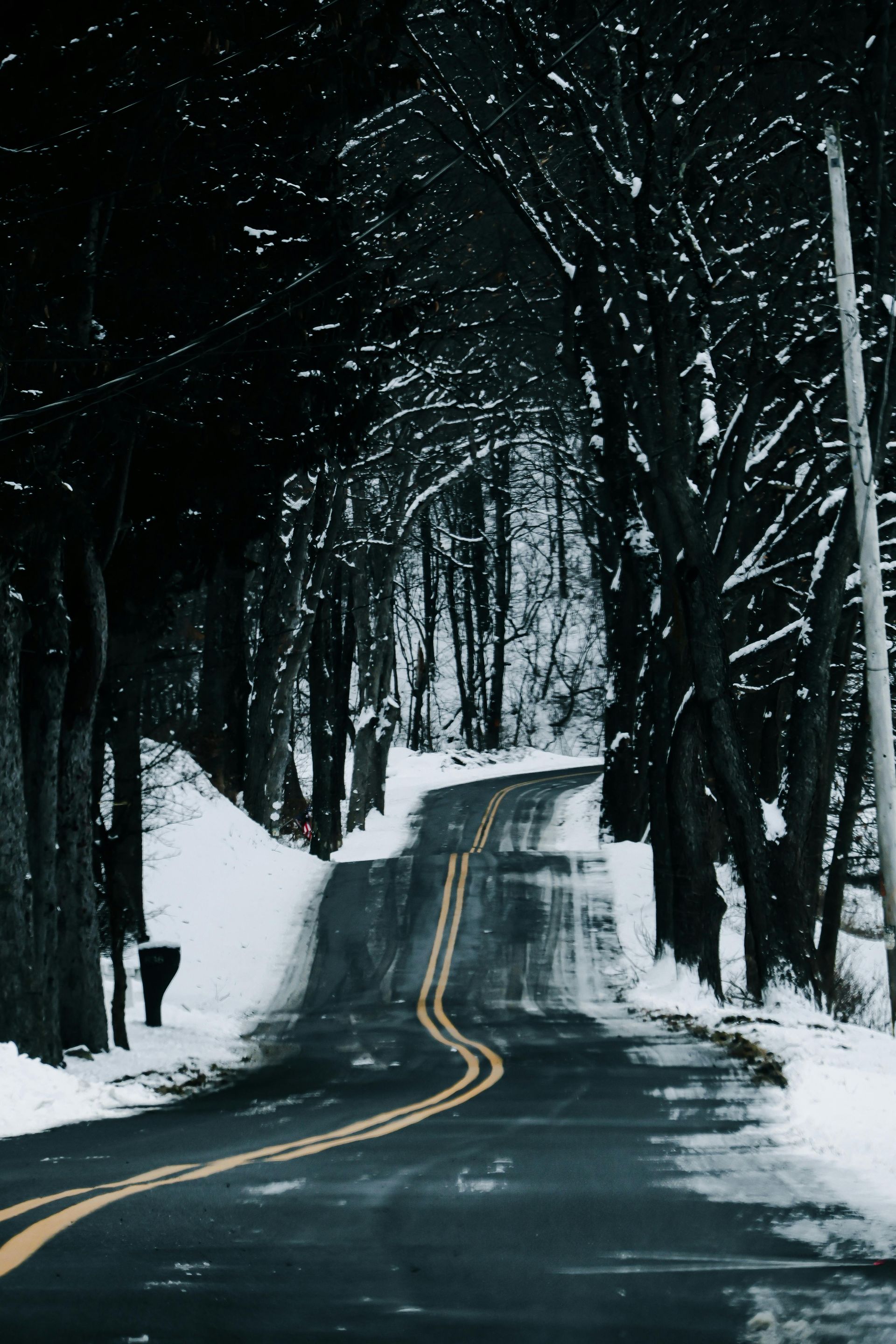
Outdoor power points face every element winter throws at them. Snow melts into slush, ice builds up, and wind pushes wet snow into gaps around outlets and fixtures. Water in the wrong place can lead to corrosion, loose connections, and tripped safety protection.
Outdoor outlet covers matter a lot. A loose or cracked cover can let water reach the outlet face. If you notice an outdoor outlet that looks broken, sits crooked, or feels wet, do not try to dry it out and keep using it. Repairs should be handled by a licensed professional, since outdoor wiring needs the right protection.
Decks, porches, sheds, and garages can be trouble spots. These areas may have older fixtures or exposed boxes, and they get used more in winter for lights and tools. A GFCI outlet that keeps tripping can be a sign of water getting in, a failing fixture, or a loose connection. Resetting it over and over is not a safe plan.
Outdoor cords and lights need extra care when snow and ice stick around. Avoid cords lying in puddles, buried under snow piles, or run through tight spots that pinch the jacket.
For outdoor setups, follow simple safety rules.
- Keep plug connections up and out of snow piles and standing water
- Do not run cords through doorways or windows where they can get crushed
- If anything looks damaged after a storm, stop using it and have it checked
Outdoor issues can feel small until someone grabs a wet plug or steps into slush near damaged wiring. It is not worth the risk.
The Electrical Panel and Breakers: Your Home’s Control Center
The electrical panel is where your home’s power is split into circuits. Each breaker is meant to shut off if a circuit pulls more power than it should, or if there is a fault. In winter, those limits can get hit more often just from running more things at the same time.
Cold-weather use can bring older problems to the surface. A loose connection that did not cause trouble in warmer months may act up in winter when lights, heaters, and kitchen appliances run more.
We take these red flags seriously.
- Breakers that trip often, or a breaker that will not stay on
- Rust or dampness near the panel
- A panel door that feels warm to the touch
- Lights that dim when bigger appliances turn on
When those signs show up, a
licensed electrician in New Jersey can check the panel, breakers, grounding, and connections to help keep the system steady through winter weather. The goal is to find the weak spot before it turns into a bigger safety issue.
Storm-Ready Upgrades to Ask a Pro About
Some homes do fine with a basic safety check and a few changes. Other homes need a bigger talk, especially if outages are common in your neighborhood or if new electrical loads have been added over the years.
Generator setups are one example. A portable generator used the wrong way can create serious danger inside the home and out on utility lines. Safe backup power uses the right transfer equipment so power goes where it should. Any generator tie-in work needs a professional, with the correct hardware and a clear plan for what the generator will run.
EV chargers and garage power come up more often now. Winter driving can mean more frequent charging, and charging times can shift from your summer routine. A dedicated circuit and proper installation can help prevent nuisance trips and cut down wear on outlets and wiring. Garage outlets that were fine for light use may not be ready for new charging habits.
Lighting is another smart winter topic. Dark afternoons and early evenings can make steps, driveways, and side doors feel less safe. Talk through options with a professional, like better entryway lighting, brighter driveway fixtures, or safer stair lighting. The goal is steady light when you need it.
These electrical upgrades can help reduce winter risk without relying on temporary workarounds.
Backup power done safely
Transfer equipment keeps generator power controlled and prevents dangerous backfeed.
Generator • transfer switchEV charging circuits
A dedicated circuit and proper install helps prevent nuisance trips and outlet wear.
EV charger • garage powerExterior lighting upgrades
Brighter, steadier lighting for steps, driveways, and side doors during early winter evenings.
Safety • visibilityFeel More Ready When the Weather Turns
Winter storms can bring heavier power use and more water around places that should stay dry. When we pay attention early, we can catch problems before they turn into a cut-off circuit, a damaged device, or a scary smell in the hallway.
If you notice heat at an outlet, humming sounds, burning smells, sparks, frequent breaker trips, or water near anything electrical, it is time to call a professional and step away from the area. Planning ahead before the next storm can help keep lights, heat-related devices, and outdoor power working in a safer way, without risky do-it-yourself fixes.
Cold weather and winter storms can put extra strain on wiring, panels, and outdoor power, so having the right help matters before small issues turn into bigger ones. Working with
licensed electricians in New Jersey means having someone look at the full picture, from indoor outlets to outdoor fixtures that deal with snow, ice, and moisture. We spot trouble areas that are easy to overlook during a busy winter week and talk through safer long-term fixes instead of quick patches. To feel more prepared when the next storm rolls through, contact High Class Electric to plan ahead with confidence.
Phone Number:
Serving Garwood and Central New Jersey